

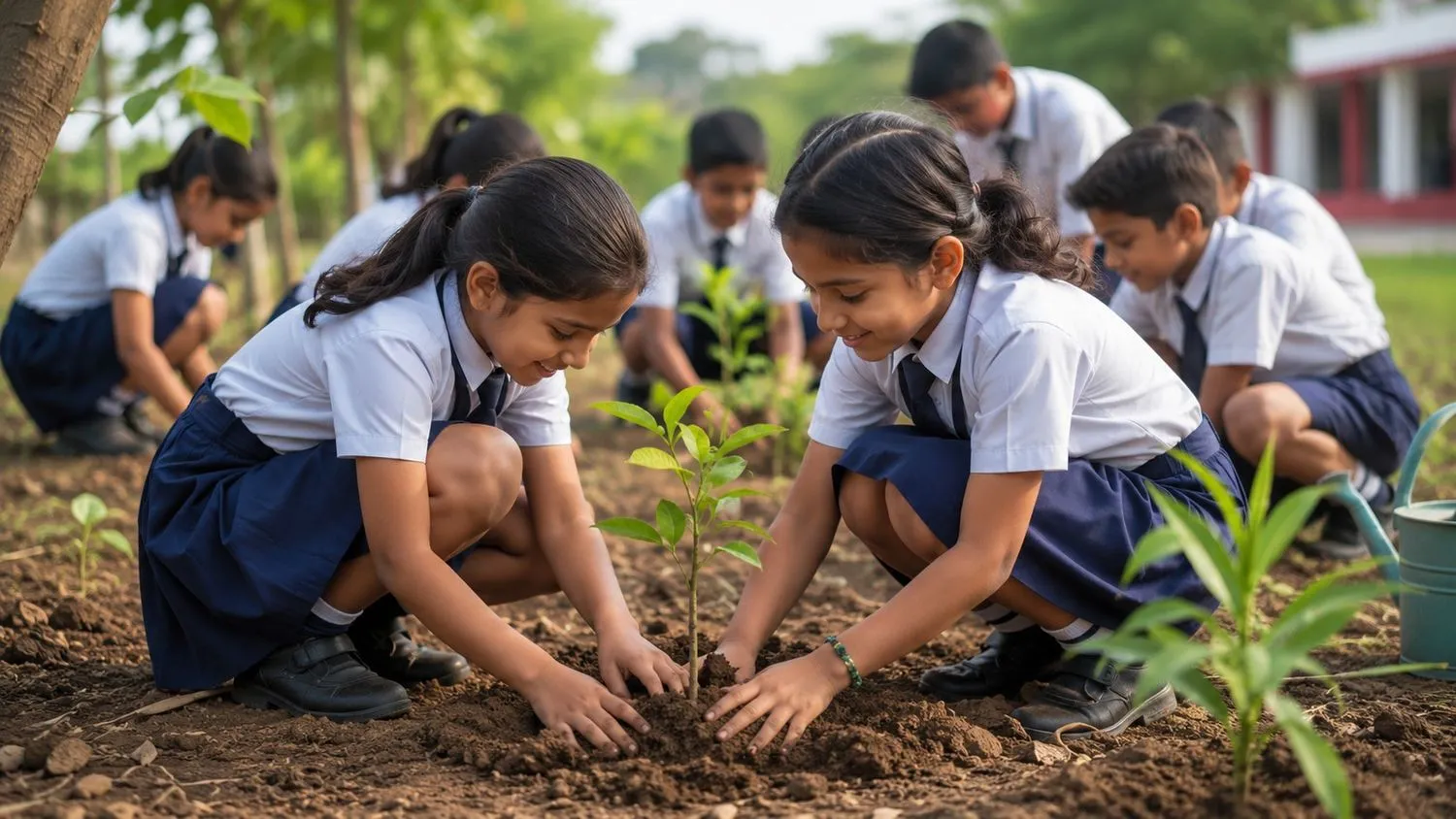
Environmental awareness begins long before adulthood. It starts in classrooms, playgrounds, and school campuses where children develop habits that often stay with them for life. Among the many activities schools organize, plantation drives have become one of the most meaningful ways to teach students about protecting the environment.
Planting a tree may seem like a simple activity, but for a child, it is often the first real experience of caring for nature. It creates a personal connection that no textbook can replace.
Learning Beyond the Classroom
Environmental education is far more effective when students experience it firsthand. Plantation drives allow children to move beyond theory and understand how trees improve air quality, support wildlife, conserve water, and reduce the effects of climate change.
Instead of simply reading about sustainability, students become active participants in protecting the environment.
Building Responsibility Through Action
When children plant and care for a tree, they learn responsibility in a practical way. Watering the sapling, protecting it from damage, and watching it grow teaches patience and commitment.
This sense of ownership often encourages students to care for other plants at home and in their communities.
Creating Lifelong Environmental Habits
Many lifelong habits are formed during childhood. Students who regularly participate in plantation drives are more likely to develop environmentally friendly behaviors such as reducing waste, conserving water, recycling, and protecting green spaces.
These habits extend beyond school and influence families and future generations.
Encouraging Teamwork and Community Participation
School plantation drives bring together students, teachers, parents, and local communities for a common purpose. Working together helps children understand that protecting the environment is a shared responsibility.
These activities also strengthen community engagement and inspire collective action toward greener neighborhoods.
Improving School Campuses
Trees planted within school grounds provide long-term benefits for students and staff. They create shaded areas that make outdoor activities more comfortable and improve the overall appearance of the campus.
Greener campuses also contribute to better air quality and create a healthier learning environment.
Developing Future Environmental Leaders
Today's students will become tomorrow's policymakers, business leaders, engineers, and citizens. Early exposure to environmental conservation helps shape their values and decision-making throughout life.
Children who understand the importance of trees are more likely to support sustainable policies and responsible development in the future.
Plantation Drives Inspire Families
The impact of school plantation programs often extends beyond the classroom. Students share what they learn with parents and siblings, encouraging families to plant trees and adopt environmentally responsible practices at home.
A single school activity can inspire dozens of households to become more environmentally conscious.
Making Plantation Drives More Effective
Schools should focus on planting native tree species that thrive in local conditions and require less maintenance. Students should also participate in caring for the trees throughout the year instead of treating plantation drives as one-day events.
Regular monitoring, environmental clubs, and annual tree care activities can ensure that planted saplings survive and continue benefiting future generations.
Conclusion
School plantation drives do much more than increase green cover. They help shape responsible, environmentally conscious citizens who understand the value of nature from an early age.
Every tree planted by a student represents more than environmental action. It represents a lesson in responsibility, teamwork, and sustainability. As schools continue to invest in plantation programs, they are also investing in a greener future led by children who understand that protecting the environment begins with small but meaningful actions.