
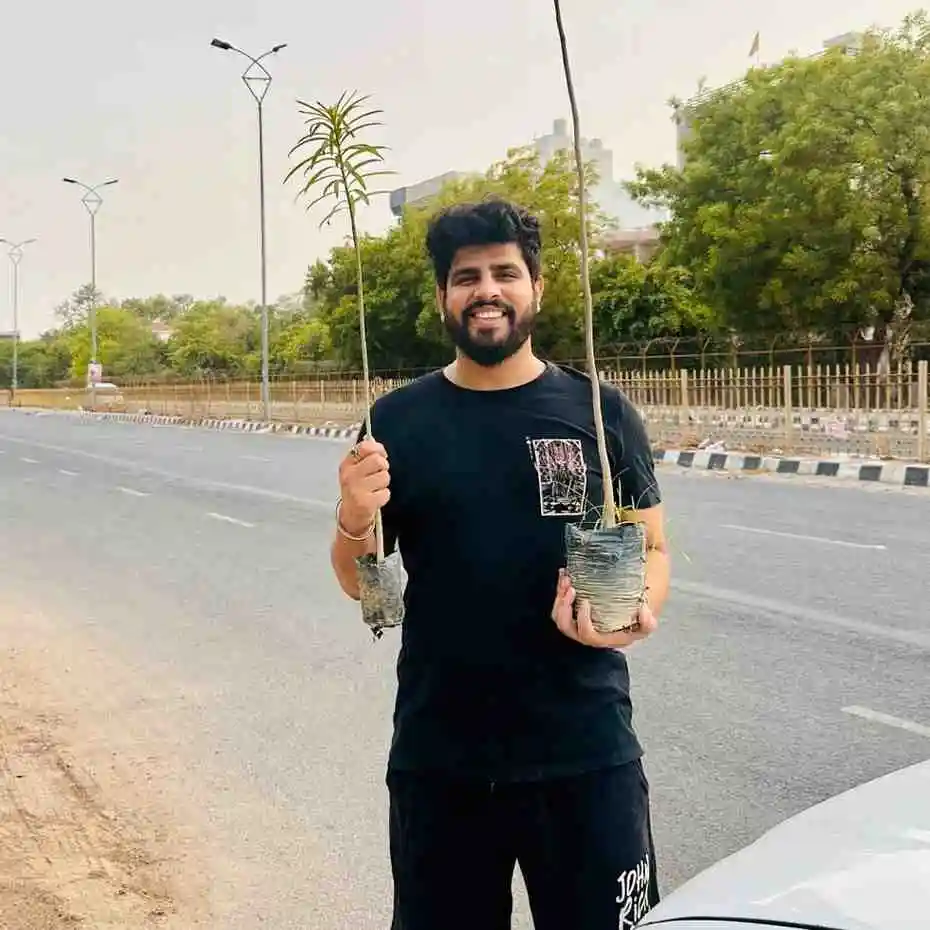
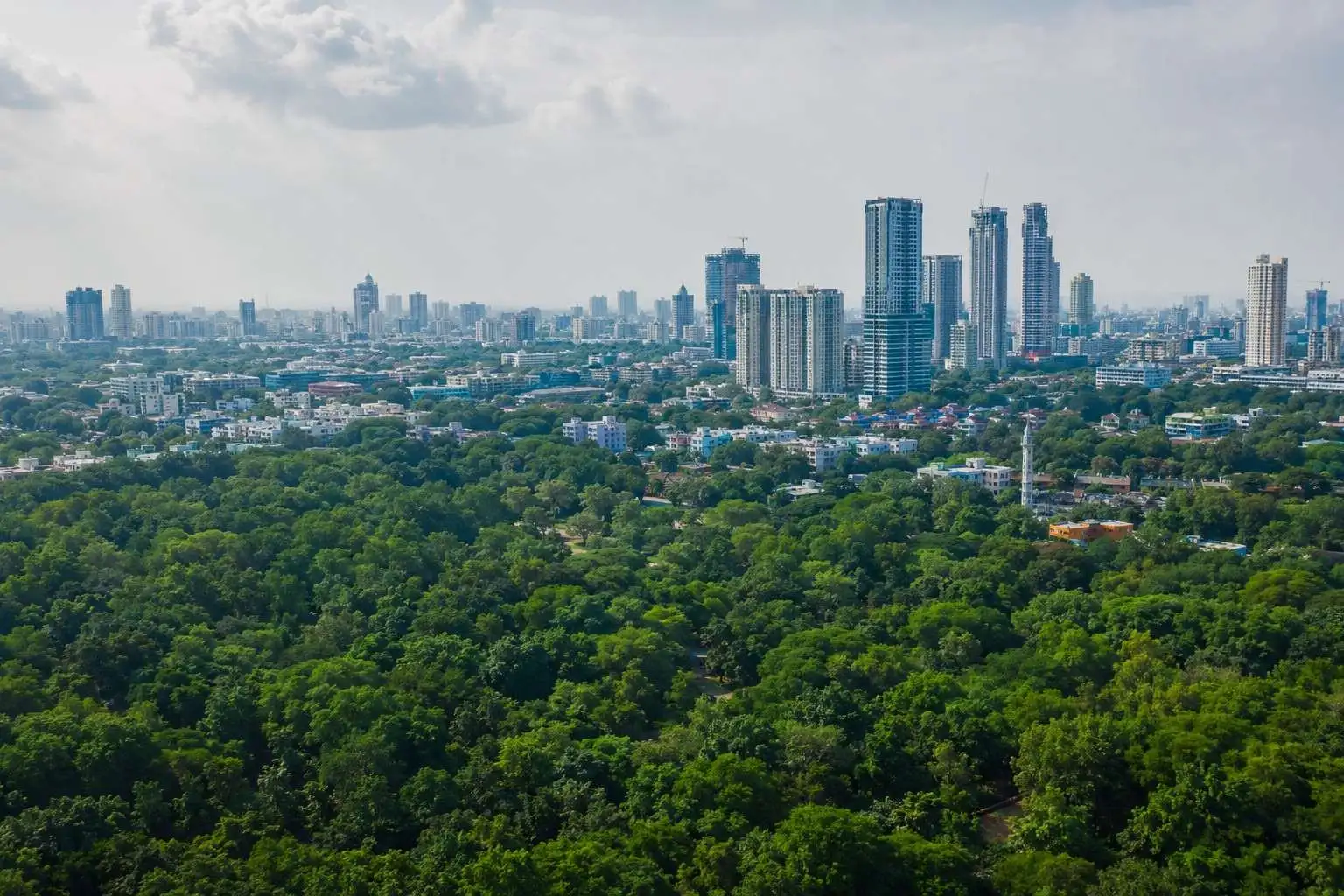
Indian cities are expanding at an incredible pace. New highways, residential projects, and commercial buildings are transforming urban landscapes. While this growth supports economic development, it also reduces green cover. The result is hotter streets, poor air quality, frequent flooding, and declining public health. Urban forests are one of the most practical solutions to these challenges.
Rising Temperatures Demand Immediate Action
Most Indian cities are experiencing longer and more intense summers than ever before. Concrete structures absorb and retain heat, creating urban heat islands that make cities significantly warmer than surrounding areas.
Urban forests naturally lower temperatures by providing shade and cooling the air. More trees mean cooler neighborhoods, lower electricity consumption, and a better quality of life during extreme heat.
Cleaner Air Starts With More Trees
Air pollution remains one of the biggest health concerns in India. Millions of people are exposed to harmful pollutants every day because of traffic, industrial emissions, and construction activities.
Urban forests help improve air quality by capturing dust and absorbing carbon dioxide. While they cannot eliminate pollution completely, they can significantly reduce its impact when combined with better environmental policies.
Green Spaces Reduce Flooding
Many Indian cities struggle with waterlogging during the monsoon. Excessive construction has replaced natural soil with concrete, leaving rainwater with nowhere to go.
More trees and green spaces allow water to seep into the ground instead of flooding roads and residential areas. This also helps recharge groundwater, which is becoming increasingly important in water-stressed cities.
Healthier Cities Create Healthier People
Urban forests improve both physical and mental well-being. Green surroundings encourage people to walk, exercise, and spend more time outdoors. They also reduce stress and create peaceful spaces in otherwise crowded cities.
As urban populations continue to grow, access to nature will become an essential part of maintaining public health.
Supporting Biodiversity in Urban Areas
Rapid urbanization has pushed many birds, butterflies, and pollinators out of cities. Expanding urban forests can restore habitats for these species and strengthen local ecosystems.
Healthy biodiversity also benefits people by supporting pollination, improving soil quality, and maintaining ecological balance.
Urban Forests Are a Smart Economic Investment
Investing in urban forests is not just good for the environment. It also makes financial sense. Cooler cities require less energy for cooling. Attractive green neighborhoods increase property values and make cities more appealing for businesses and tourism.
The long-term savings in healthcare, energy, and flood management often outweigh the initial investment in tree plantation and maintenance.
India Needs a Long-Term Green Vision
Tree plantation drives alone are not enough. Cities need long-term plans that protect existing green cover and create new urban forests as development continues. Every infrastructure project should include space for native trees and green corridors instead of treating greenery as an afterthought.
Urban forests should become a core part of city planning, not a seasonal campaign.
Conclusion
India does not have to choose between development and nature. It can achieve both by making urban forests a priority. More trees mean cooler cities, cleaner air, better water management, stronger biodiversity, and healthier communities.
As Indian cities prepare for the future, investing in urban forests is not an environmental luxury. It is one of the smartest decisions they can make.